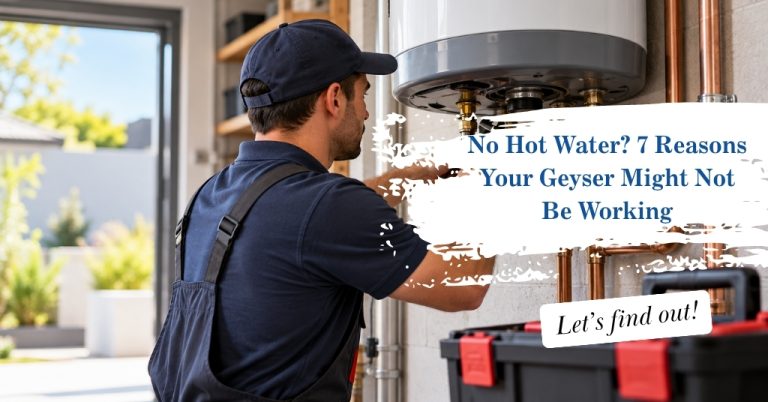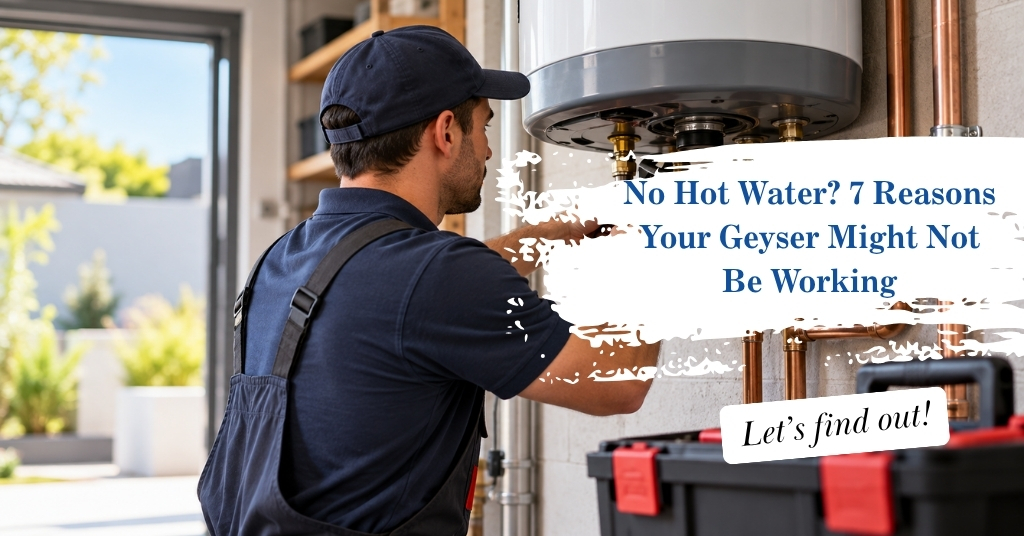
You turn on the shower and wait.
The water stays cold.
Suddenly, your normal morning routine becomes a plumbing problem.
There are several reasons a geyser may stop producing hot water, and not all of them mean you need a completely new system.
1. Electrical Supply Problems
An electrical fault or interruption can stop the geyser from heating.
Because electricity and water are involved, electrical components should be checked safely by the appropriate professional.
2. A Faulty Heating Element
The heating element is responsible for heating the water.
If it fails, the geyser may contain plenty of water but never bring it up to temperature.
3. Thermostat Problems
The thermostat controls water temperature.
If it is faulty or not operating correctly, the geyser may not heat as expected.
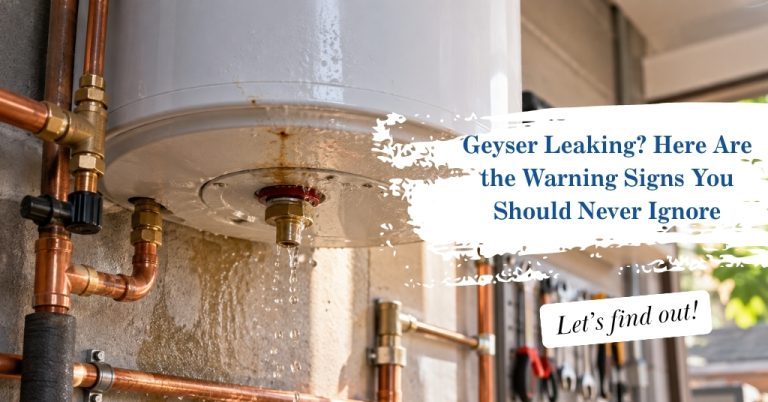
4. A Leak
A geyser or hot-water pipe that is leaking can affect the amount of hot water available.
Look for visible dripping, damp patches or unexplained water.
5. Sediment Buildup
Over time, deposits can accumulate inside water-heating systems.
Buildup can affect performance and may contribute to noises or reduced efficiency.
6. Heavy Hot-Water Demand
Sometimes the geyser is functioning normally but simply cannot keep up with unusually high demand.
If several people shower one after another while appliances are also using hot water, the stored supply can be depleted.
7. The Geyser Is Deteriorating
Like any household system, geysers do not last forever.
Repeated failures, corrosion and increasing repair needs may eventually make replacement the more sensible option.
Get Your Hot Water Back
Guessing and replacing parts at random can waste time and money.
LOUW BROS can inspect the system, identify the reason your hot water has disappeared and recommend the appropriate repair or replacement.
Don’t keep taking cold showers hoping the problem solves itself.